Introduction
The global pandemic changed the way millions of people think about their health. Concepts like immune resilience, respiratory health, and overall wellbeing moved from medical textbooks into everyday conversation. And as the dust settled, one factor kept appearing in research literature and wellness discussions alike sleep. Specifically, the quality of sleep and its direct, measurable impact on how well the immune system functions.
In this post, we explore the science behind sleep and immunity, why the post-pandemic era has made this connection more important than ever, and how the surface you sleep on plays a greater role than most people realise.
The Science How Sleep Affects Immune Function
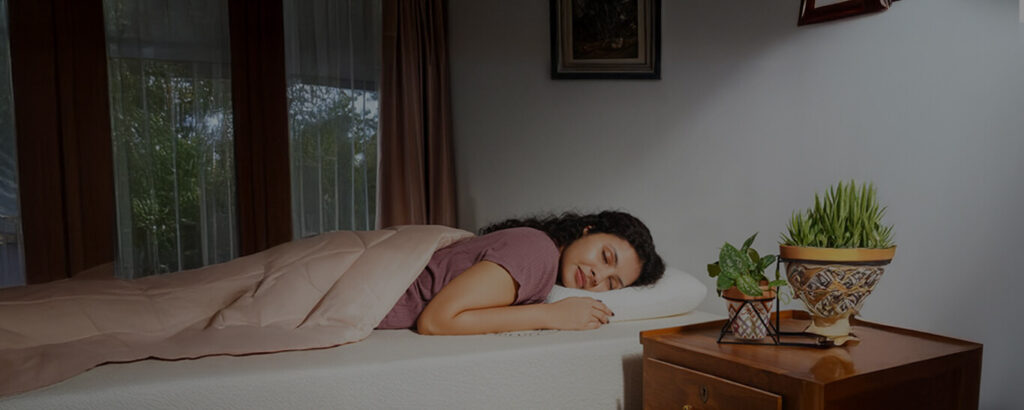
Sleep is the body’s primary recovery and maintenance window. During deep sleep stages, the immune system releases cytokines proteins that help fight infection, inflammation, and stress. Studies have consistently shown that people who sleep fewer than 6 hours per night are significantly more susceptible to illness than those who sleep 7 to 9 hours. Beyond duration, sleep quality matters equally. Fragmented sleep where you wake frequently or spend too little time in deep sleep stages disrupts the cytokine release cycle, leaving the immune system under-resourced. Poor sleep is also linked to elevated cortisol levels, which suppress immune function over time. In short: you cannot have a robust immune system without consistent, high quality sleep.
The Post Pandemic Shift in Sleep Awareness
The pandemic had a complex and often contradictory effect on sleep patterns globally. While many people had more time at home, anxiety, disrupted routines, increased screen time, and economic stress led to widespread reports of poor sleep a phenomenon researchers named ‘coronasomnia’. Insomnia and sleep disorder diagnoses rose sharply between 2020 and 2022 across multiple countries. At the same time, the pandemic created an unprecedented level of public awareness around immune health. People began investing in nutrition, exercise, and mental health in ways they had not before. Sleep, as a foundational pillar of immune resilience, naturally followed and demand for premium sleep products surged accordingly.
The Role of Your Sleep Environment
While sleep hygiene habits consistent bedtimes, reduced screen exposure, a cool room are widely discussed, the physical sleep surface is often overlooked. Yet the mattress, topper, or pillow you sleep on directly influences your ability to reach and maintain deep, restorative sleep stages.
Pressure Relief & Sleep Architecture
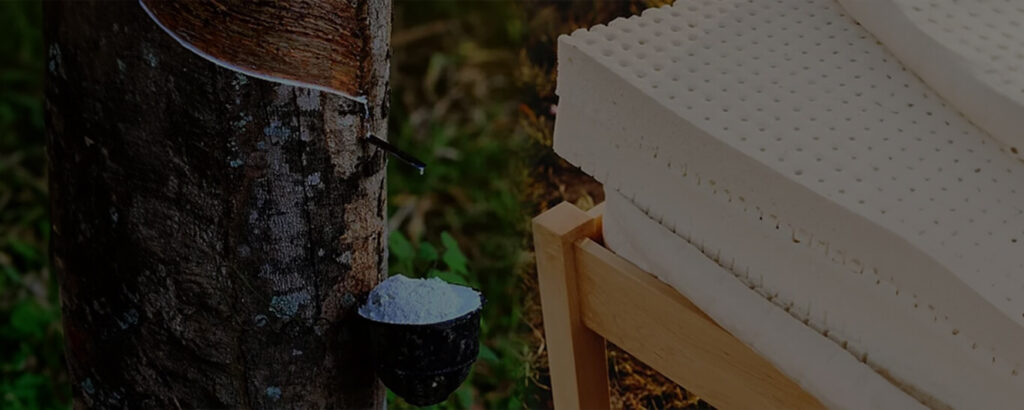
If your sleep surface does not adequately relieve pressure on the shoulders, hips, and lower back, your body generates micro-arousals throughout the night brief moments of near-wakefulness that fragment your sleep cycle without you being fully aware of them. Over weeks and months, this chronic fragmentation accumulates into measurable immune suppression, cognitive impairment, and physical fatigue. Natural latex bedding is uniquely effective at pressure relief precisely because of its elastic responsiveness. Unlike memory foam which slowly sinks and creates a ‘stuck’ feeling, or spring systems that apply point pressure at contact zones, natural latex distributes body weight evenly and responds instantly to movement — minimising the micro-arousals that degrade sleep quality.
Temperature & Immune Recovery
Core body temperature naturally drops during sleep onset and deep sleep stages. A sleep surface that traps heat disrupts this process, delaying sleep onset and reducing time spent in deep sleep. The open-cell structure of natural latex, combined with pin-core ventilation designs, allows consistent airflow across the sleep surface supporting the body’s natural thermal regulation cycle and the immune recovery processes that depend on it.
Hygiene & Respiratory Health
Post-pandemic awareness around respiratory health and airborne allergens has also driven renewed attention to the hygiene properties of bedding materials. Dust mites microscopic organisms that thrive in synthetic and fabric-based bedding are a leading trigger for allergic rhinitis, asthma, and disrupted breathing during sleep. Natural latex’s inherent resistance to dust mites, mould, and bacteria makes it one of the most hygienic sleep surfaces available, directly supporting better respiratory function and uninterrupted breathing throughout the night.
Investing in Sleep as a Health Strategy
The post-pandemic consumer increasingly views sleep not as a passive activity but as an active investment in long-term health. Premium sleep products particularly those made from certified natural materials are now positioned alongside nutrition supplements, fitness equipment, and mental wellness tools as part of a holistic health strategy. For brands operating in the bedding and wellness space, this shift represents both an opportunity and a responsibility. Products that genuinely support deeper, healthier sleep backed by certifications and transparent material sourcing are not only commercially relevant but socially meaningful in a world that has been reminded, forcefully, of how important health truly is.
Conclusion
The connection between sleep quality and immune function is no longer a niche medical insight it is a mainstream health conversation. The post-pandemic world has elevated sleep to its rightful place as a non-negotiable pillar of wellbeing, and the materials we sleep on are a key part of that equation. At Bedding Houz, every product we manufacture from our natural latex mattress cores to our full pillow range is designed with this understanding at its core. Because a better night’s sleep is not just about comfort. It is about health.