Natural vs Synthetic Latex : Why It Matters
By Bedding Houz | Bedding & Sleep Education | 5 min read
Introduction
When shopping for latex bedding whether a mattress core, topper, or pillow one of the most important decisions you will make is choosing between natural and synthetic latex. The two may look similar on the surface, but the differences in how they are made, how they feel and how they perform over time are significant. Understanding these differences helps both consumers & OEM brands make better, more informed choices.
What Is Natural Latex?
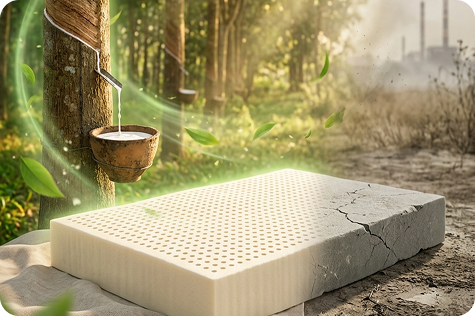
Natural latex is derived from the sap of the Hevea brasiliensis rubber tree, primarily grown in tropical regions like Southern Thailand, Malaysia, and Indonesia. The sap known as latex milk is harvested by tapping the bark of the tree, collected, and then processed into foam using either the Dunlop or Talalay method. The result is a highly elastic, breathable, and durable material that has been used in premium bedding for decades.
At Bedding Houz, all of our products are made from 100% natural latex sourced from rubber plantations in Southern Thailand one of the most productive and sustainably managed latex-producing regions in the world.
What Is Synthetic Latex?
Synthetic latex is a petroleum-based material, typically made from Styrene-Butadiene Rubber (SBR). It was developed as a cheaper alternative to natural latex and is widely used in lower-cost bedding products. Blended latex a common middle-ground product combines natural and synthetic latex, usually in ratios such as 60/40 or 80/20, to reduce costs while attempting to retain some of the natural material’s performance characteristics.
Key Differences : Natural vs Synthetic
1. Feel & Responsiveness
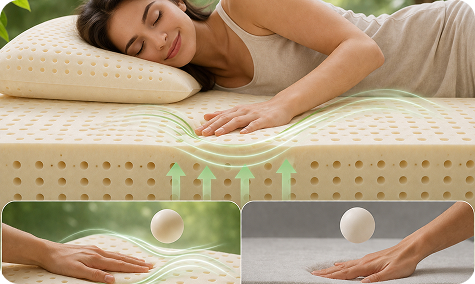
Natural latex has a buoyant, springy feel that immediately responds to pressure and movement. It contours to the body’s shape while simultaneously pushing back, creating what sleep specialists describe as a ‘floating’ sensation. Synthetic latex tends to feel denser and less responsive, with a slightly harder or more uniform feel that lacks the adaptive quality of its natural counterpart.
2. Durability & Longevity
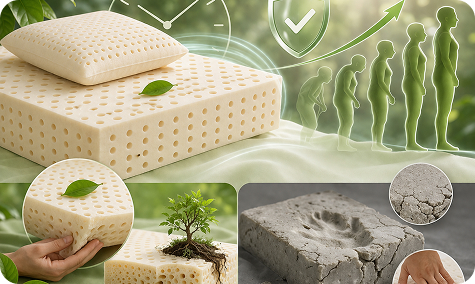
Natural latex is exceptionally durable. High-quality natural latex products regularly last 10 to 20 years without significant sagging or loss of support. Synthetic latex degrades more rapidly particularly under heat and sustained compression leading to body impressions, reduced support, and shorter product lifespan. For OEM brands, this translates directly to warranty claims and customer satisfaction.
3. Hypoallergenic Properties
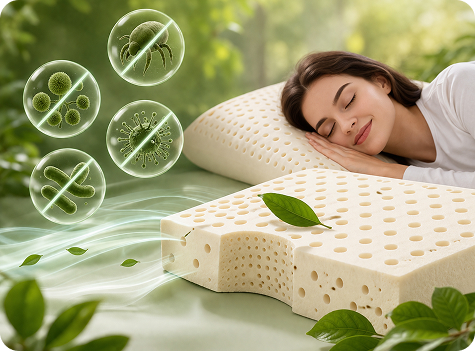
One of natural latex’s most valued characteristics is its inherent resistance to dust mites, mould, mildew and bacteria. These microorganisms struggle to thrive in the naturally dense and resilient structure of real latex. Synthetic latex does not offer the same level of natural resistance and often requires chemical treatments to achieve comparable hygiene properties treatments that may themselves cause sensitivities in some users. It is worth noting that a small percentage of people have a latex allergy. However the proteins responsible for this reaction are significantly reduced during the washing and vulcanisation process, and most certified natural latex products are considered safe for the vast majority of users.
4. Breathability & Temperature Regulation
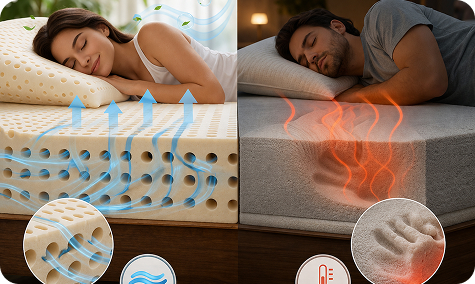
The open-cell structure of natural latex allows air to circulate freely, helping to regulate body temperature throughout the night. This is especially important in warm climates like Southeast Asia, where heat retention in a mattress can significantly disrupt sleep quality. Synthetic latex has a more closed cell structure, which restricts airflow and can lead to heat buildup a common complaint among users of lower-cost latex bedding.
5. Environmental Impact
Natural latex is a renewable, biodegradable resource. Rubber trees absorb CO2 during their growing years and the tapping process does not harm the tree, which can continue producing latex for up to 30 years. Synthetic latex, derived from petrochemicals, is neither renewable nor biodegradable, contributing to environmental pollution at both the production and disposal stages. Bedding Houz is fully EUDR (EU Deforestation-Free Regulation) compliant, ensuring that all latex sourced for our products comes from legally managed, deforestation-free plantations.
Why It Matters for OEM Brands
For brands sourcing latex components for private label or OEM production, the choice of latex type has a direct impact on product positioning, pricing, warranty commitments, and customer trust. Natural latex commands a premium price point but delivers measurably superior performance, longevity, and marketability particularly as consumer awareness of sustainable and health-conscious products continues to grow globally. Synthetic and blended options remain viable for entry level or price sensitive markets, but brands must be transparent about what their product contains. Mislabelling blended latex as ‘100% natural’ is not only unethical but increasingly subject to regulatory scrutiny.
Conclusion
The choice between natural and synthetic latex is not simply a matter of cost it is a decision that affects product quality, customer health, environmental responsibility, and long-term brand reputation. At Bedding Houz, we believe that 100% natural latex represents the highest standard in bedding materials, and we have built our entire product range on that foundation. Whether you are a consumer looking for the best night’s sleep or a brand looking to build a premium latex product line, starting with the right material makes all the difference.